
Until 2022, Apple continued to call its cheapest iPhone the "Special Edition" (hence the SE badging). This was later refreshed with "e" badging (rumors suggest it stands for "Essential") to better fit with the numbered lineup.
The first-ever was the iPhone 16e, which was a hit among those who just wanted an iPhone to call, scroll, and take occasional pictures (AKA normal people). Following suit, Apple released the iPhone 17e with significant updates, as expected.
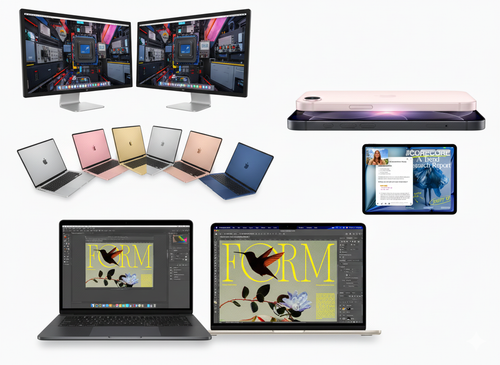
But what we did not expect were the other products that also landed, including the first-ever "budget" MacBook that costs just $600—and, to our surprise, it's really great for what it offers. But that's not all; there is a lot more hardware that came out. Here is everything new from Apple last week, including the new iPhone 17e and MacBook Neo.
MacBook Pro with M5 Pro and M5 Max chips
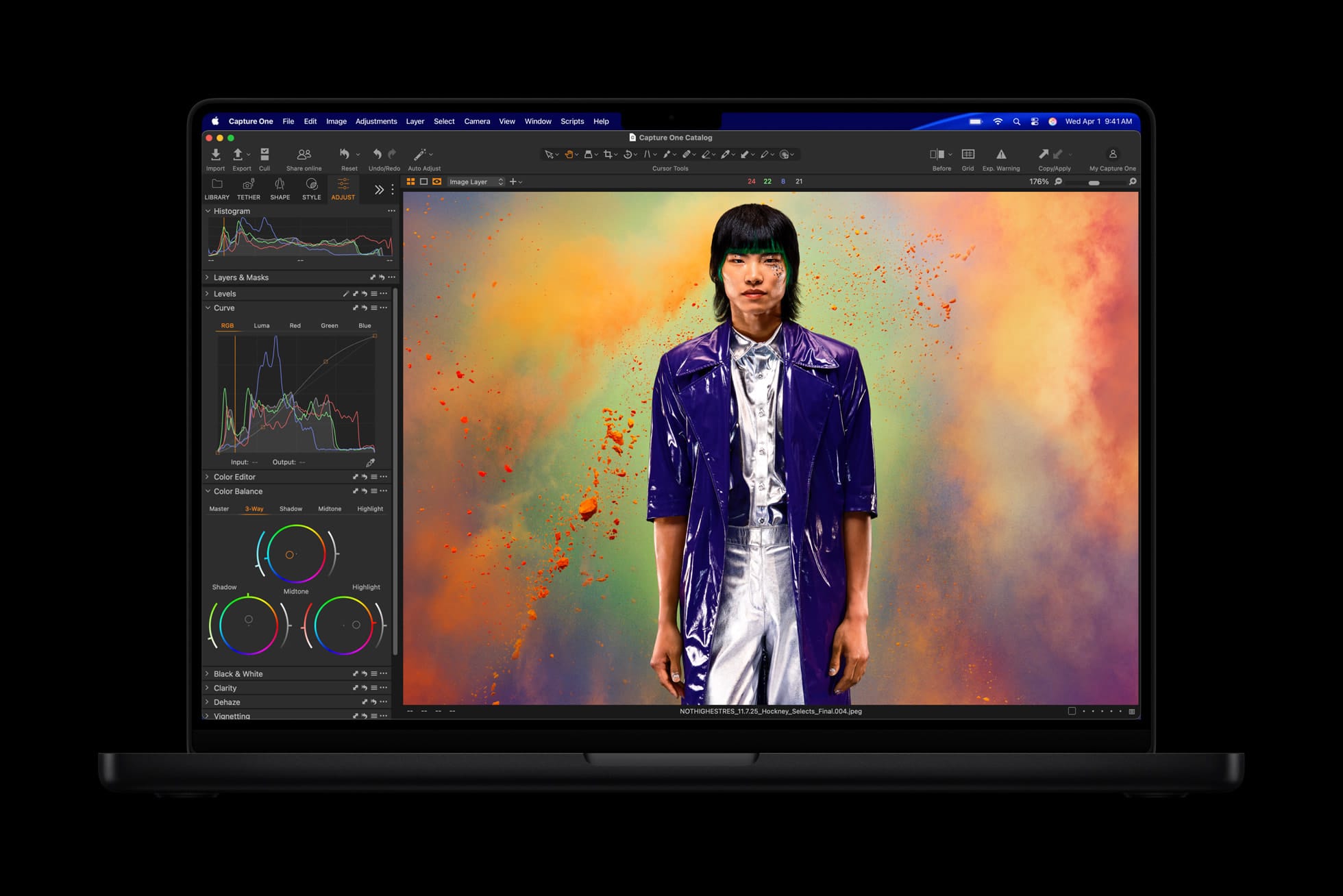
The all-new MacBook Pro features two display sizes (14" and 16") and two silicon configurations (M5 Max and M5 Pro). Both M5 Pro and M5 Max MacBook Pros feature up to an 18-core CPU and a 20-core GPU, paired with up to 64GB of RAM in the M5 Pro, and an 18-core CPU with a 40-core GPU paired with up to 128GB of RAM in the M5 Max.
Both 14" and 16" MacBook Pros have the same notched Liquid Retina XDR displays as last year, with nano-texture as an option, which will cost you a couple of hundred dollars more. The display on the MacBook Pro can reach up to 1,000 nits brightness in SDR and peaks at 1,600 nits brightness in HDR.
With upgraded performance, the new MacBook Pros also get upgraded connectivity via the new N1 chip, which supports Wi-Fi 7 and Bluetooth 6. It also features three Thunderbolt 5 ports, an HDMI port that supports up to 8K output, and an SDXC slot for SD cards.
MacBook Air
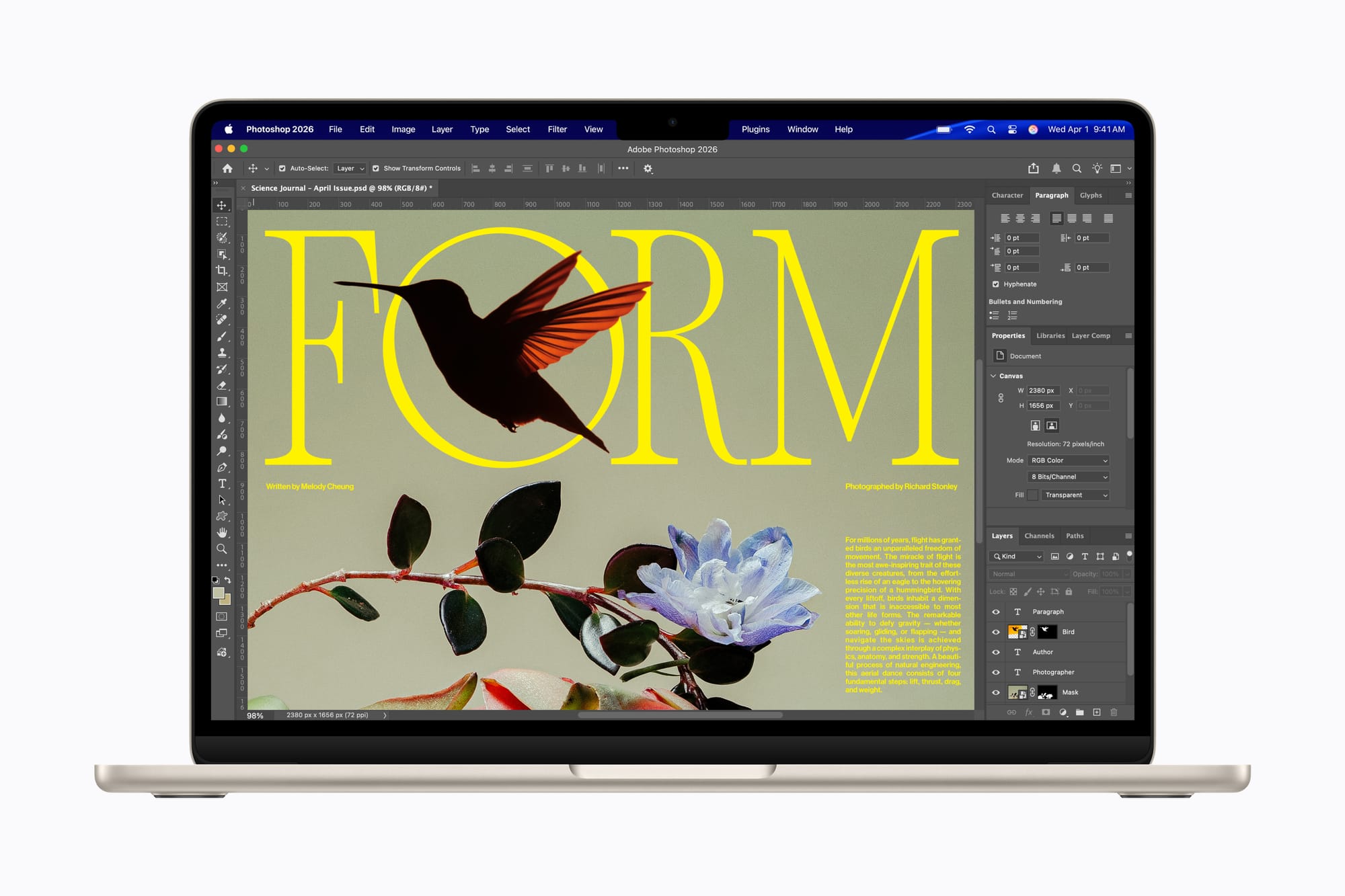
While it's not a major refresh, the latest MacBook Air also gets a taste of the latest M5 chipset. Contrary to the Pro MacBooks, the Air only gets the base M5 processor with a 10-core CPU and 10-core GPU, with a Neural Accelerator in each core.
You can configure the MacBook Air with either a 13" or a 15" Liquid Retina display that can go up to 500 nits of brightness, but there is no nano-texture display option at all. On the storage and memory side, you can configure the Air with up to 32GB RAM and 4TB of SSD.
MacBook Neo
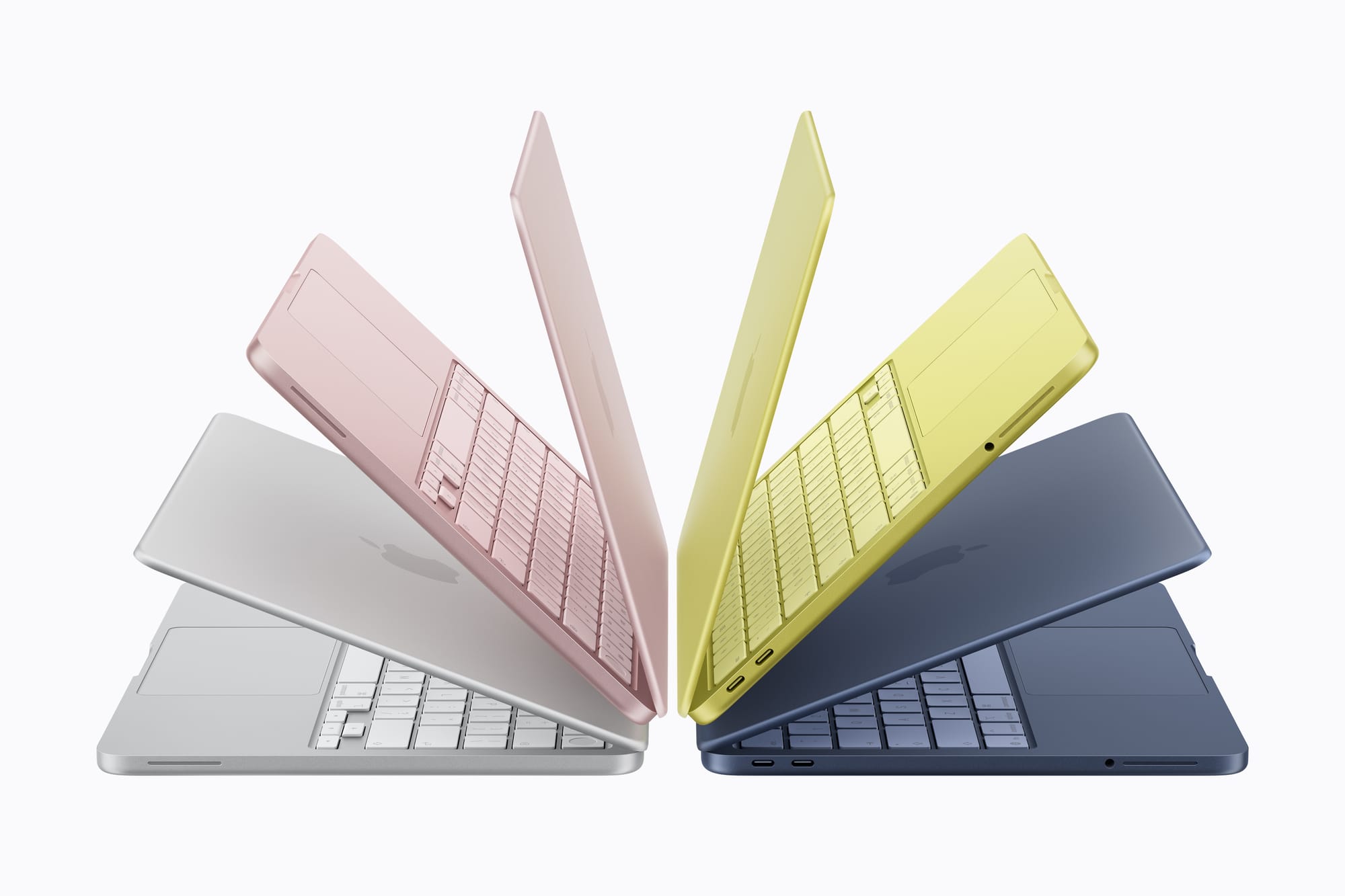
The MacBook Neo was the star of the show this year. The newest entry in the MacBook series, the Neo, is the cheapest of them all. However, it does not lack anything that beginners or everyday users—who just use browsers and office software—would find necessary.
Unlike any other Mac in Apple's portfolio, the MacBook Neo comes equipped with an A-series processor. Specifically, the Neo features the A18 Pro chip that made its debut with last year's iPhone 16 Pro line, paired with 8GB of RAM and 256GB or 512GB storage options. The higher storage option also features a keyboard with Touch ID.
On the display front, we get a 13" Liquid Retina display that can go up to 500 nits of brightness. And unlike its costlier sibling, the MacBook Air, the MacBook Neo comes with an optional anti-reflective coating. For connectivity, we get one USB-C 3.0 port (with display out and charging support), one USB-C 2.0 port (which also supports charging), a headphone jack, Wi-Fi 6E, and Bluetooth 6 support.
Studio Display
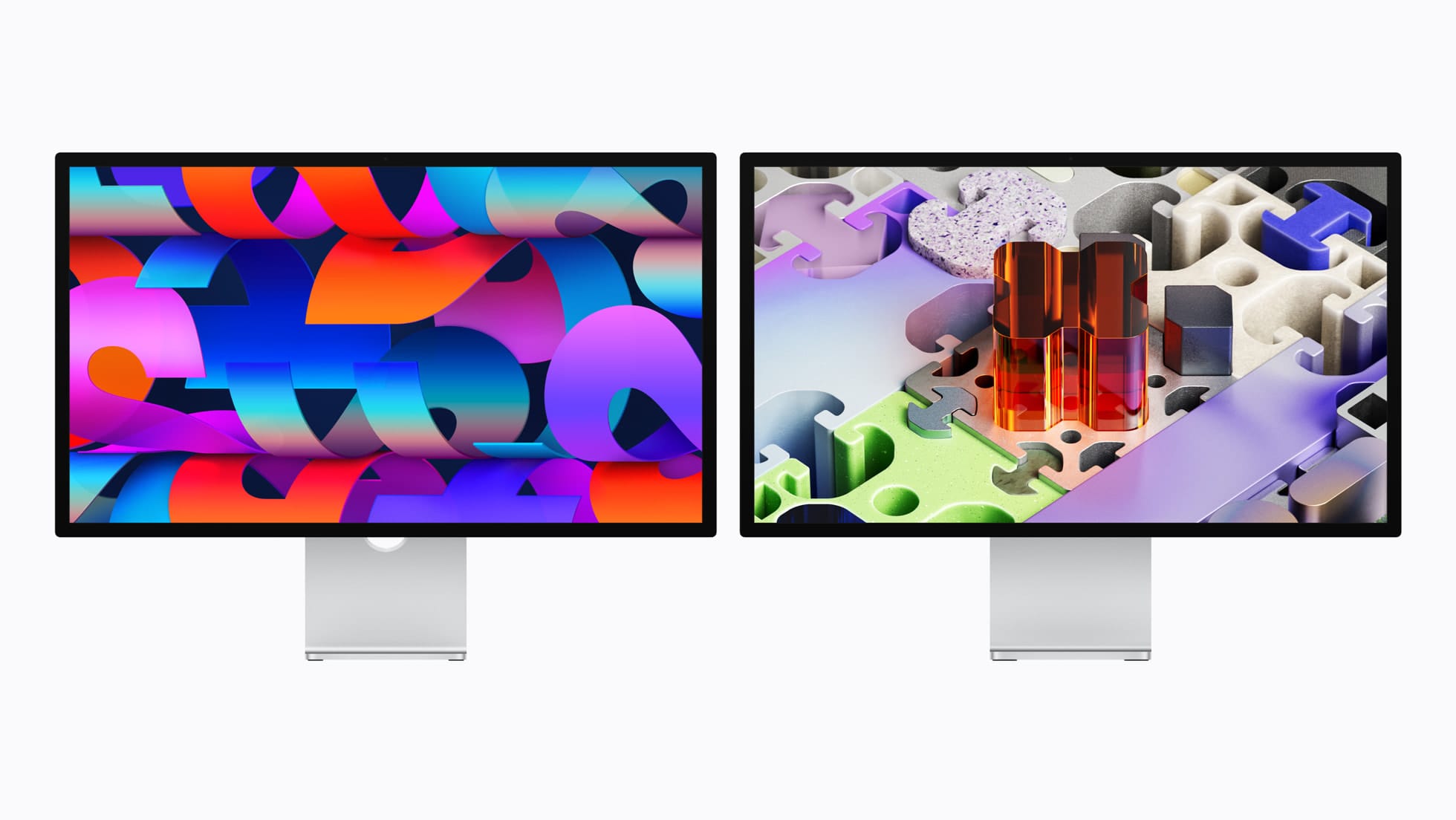
Both the Studio Display and Studio Display XDR feature a 27" 5K Retina display, a 12MP Center Stage camera with Desk View, a studio-quality 3-mic array, and a six-speaker audio system with 30% more bass output than the last generation. An optional nano-texture coating is also available for better visibility.
For connectivity, both have two Thunderbolt 5 ports—with up to 140W output on the Studio Display XDR and 96W charging on the Studio Display—and two USB-C ports. You can use the Thunderbolt 5 ports to daisy-chain a maximum of four Studio Displays at once.
Common features aside, the Studio Display XDR packs an XDR display with mini-LED backlighting, a 120Hz Adaptive Sync panel, up to 2,000 nits of brightness in HDR scenes, and Adobe RGB color gamut support (contrary to the 60Hz display with LED backlighting and P3 color gamut on the standard model).
Finally, this year, Apple is no longer charging us $999 just to put the display on the table. Both the Studio Display and Studio Display XDR come with a stand out of the box. While we get the tilt-and-height-adjustable stand with the Studio Display XDR, we can upgrade from the tilt-only stand for the standard Studio Display at very reasonable pricing.
iPad Air
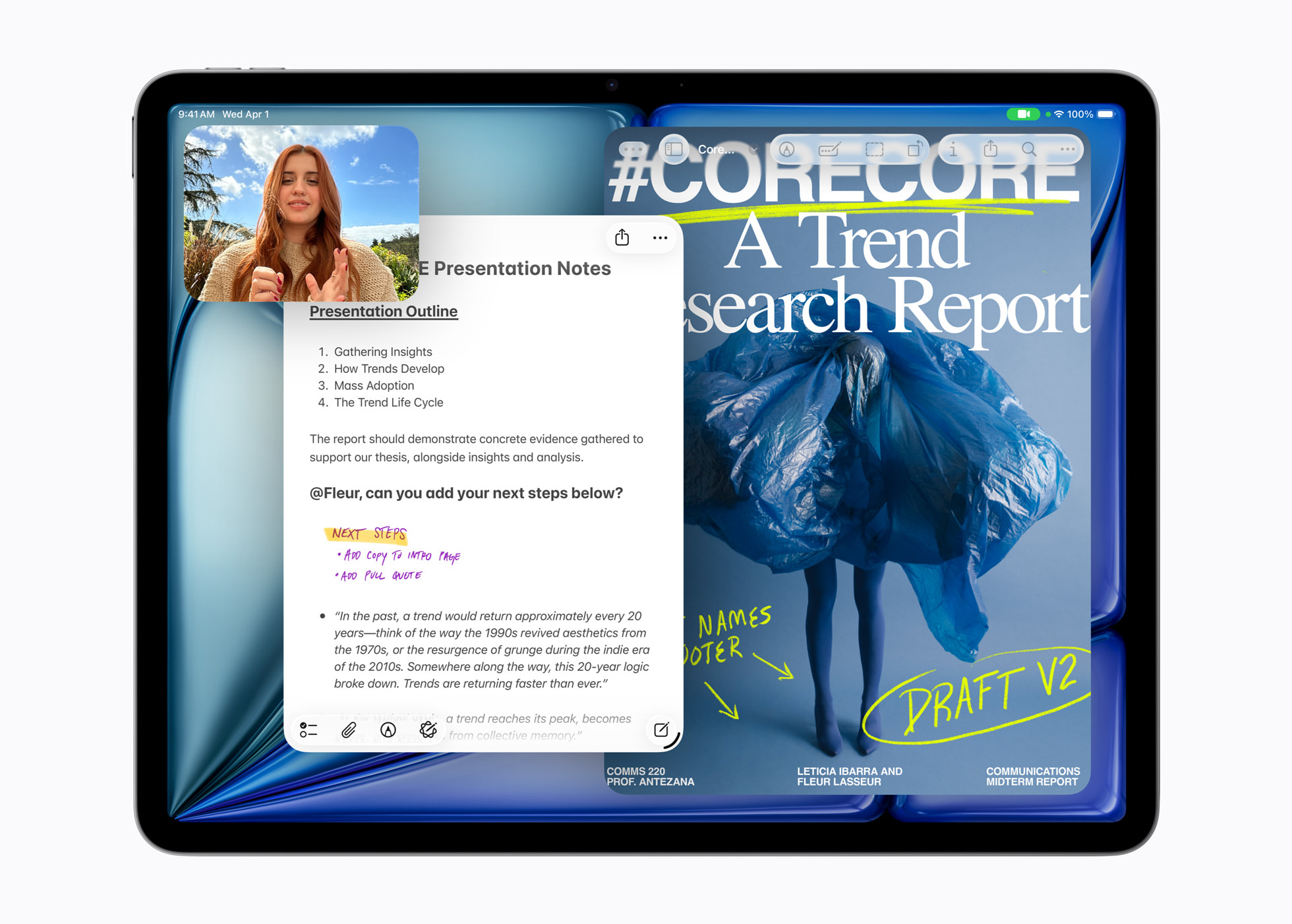
At the complete opposite end of the spectrum from the MacBook Neo, which received an A-series chip, the iPad Air was upgraded to the M4 chip. This packs an 8-core CPU, 9-core GPU, and 16-core neural engine paired with 12GB of RAM and up to 1TB of storage. This allows the iPad Air to perform more advanced on-device AI workloads.
On the connectivity front, we get the new N1 chip with Wi-Fi 7, Bluetooth 6, and Thread support, alongside a new CX1 Modem for cellular connectivity with 50% faster 5G performance compared to previous generations. The iPad Air even packs the new Center Stage camera positioned on the landscape edge, support for the Magic Keyboard, and the Apple Pencil Pro.
iPhone 17e
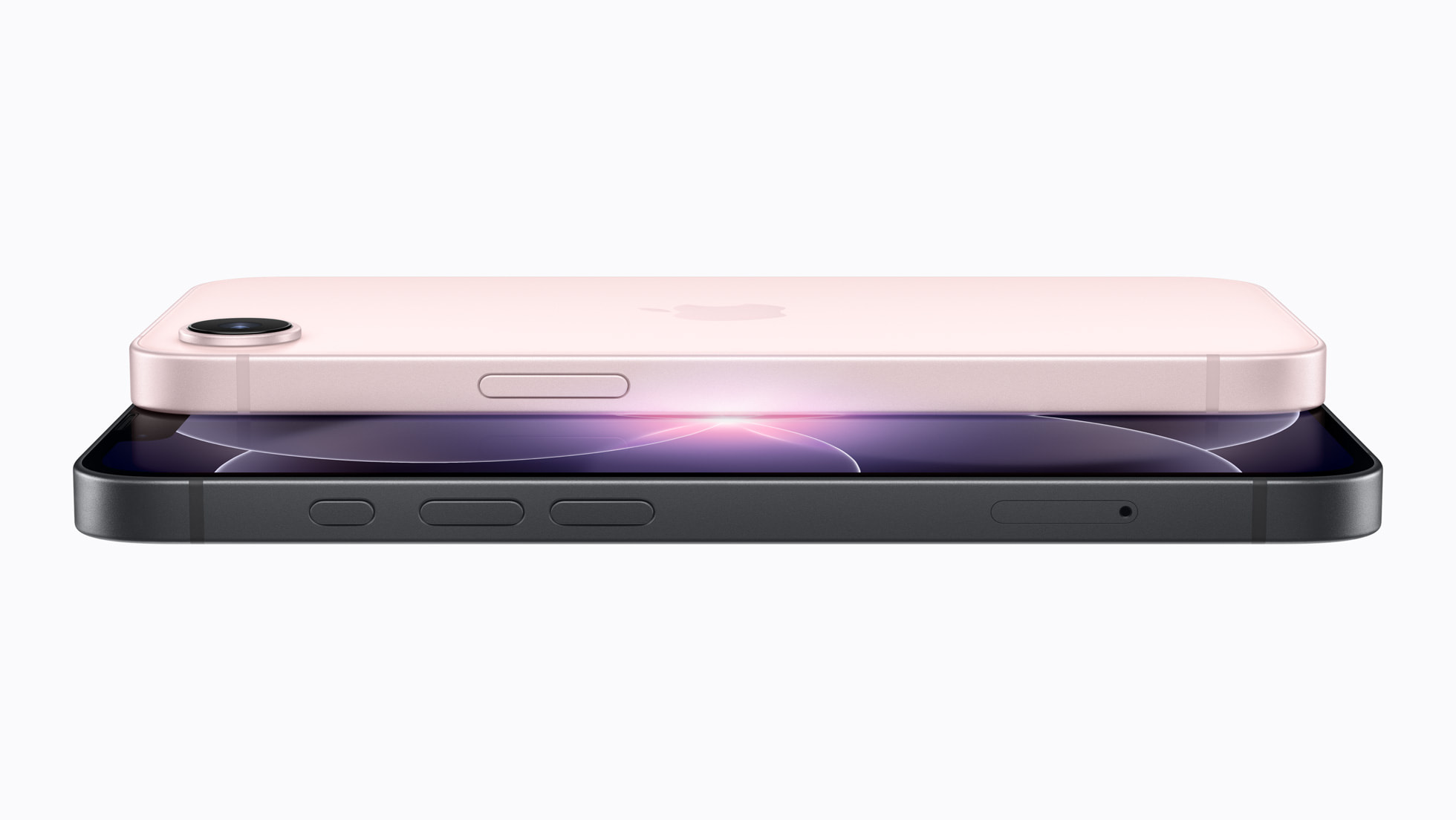
After the first shot at the reincarnation of the SE series with the iPhone 16e, Apple ironed out most complaints with the iPhone 17e. The iPhone 17e is powered by the 3-nanometer A19 chipset, which packs a 6-core CPU, a 4-core GPU with hardware-accelerated ray tracing, and an upgraded 16-core Neural Engine paired with double the storage (256GB) from last year.
Just like the iPad Air M4, the iPhone 17e packs the improved C1X modem, which is faster than the previous C1 modem seen in the iPhone 16e. The camera is also improved with a 48MP single rear camera that supports 2X optical-quality zoom and improved portraits that let you adjust focus and background blur after the photo is taken.
On the hardware front, Apple finally added MagSafe and Qi2 wireless charging support, along with new Ceramic Shield 2 glass on the front. However, the display is the same as last year, with a huge notch and only a 60Hz refresh rate, which is a bummer.
All in all, these new updates actually feel like upgrades and are perhaps the last such major overhaul for the next couple of years. The new MacBook Neo is definitely going to hog the Chromebook market and become an entry point for many into the Apple ecosystem.