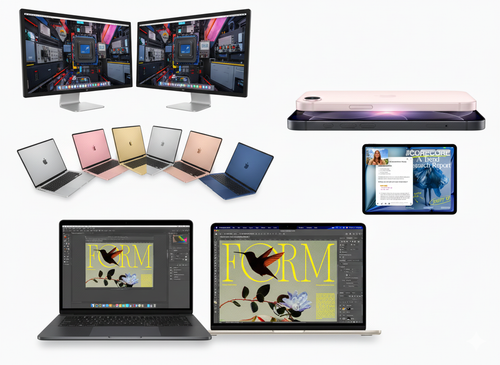
Apple's Q1 2026 refresh is here, with something for everyone!
Apple has blessed enthusiasts with a platter full of treats for every palate, with new iPhone 17e, MacBook Air and MacBook Pro with M5 variants, and the MacBook Neo.


Keval is a freelance tech journalist who focuses on tech and its influence on daily human life. Besides the tech, he's into the Hiking, Reading, and Mindfulness practices.
Apple has blessed enthusiasts with a platter full of treats for every palate, with new iPhone 17e, MacBook Air and MacBook Pro with M5 variants, and the MacBook Neo.

Opera's new "browser for mindfulness" isn't here to replace your existing browser. It cuts down your time dwelling in digital overwhelm.
Since its debut in 2016, I've frequently relied on Google Assistant to make calls, set reminders, add calendar events, set...

Samsung's Galaxy Z Flip 7 FE may not look as rad as its premium sibling, but could play a crucial role in making foldables more attainable in 2025.
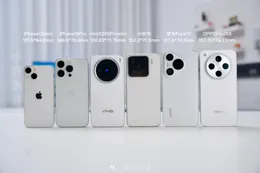
Thin, light, and compact phones are re-emerging, except this time, they don't skimp on performance or features. But will they sustain yet another test of time?
A Carnegie Mellon University study reveals starting your brainstorming process with Google can be detrimental to the group's creativity.
Teams relying much on search engines often produced inundatingly same, less original ideas due to a cognitive bias called "fixation effect," where seeing popular answers converges our thought process instead of diverging it.
While individuals weren't necessarily dumber with Google, groups of Google users seemed to get stuck in a rut, often coming up with the same common ideas, sometimes even in the same order! Talk about a copy-and-paste creativity crisis.
"This appears to be due to the fact that Google users came up with the same common answers, often in the same order, as they relied on Google, while non-Google users came up with more distinct answers," explained lead author Danny Oppenheimer.
EDITORS' PICKS