

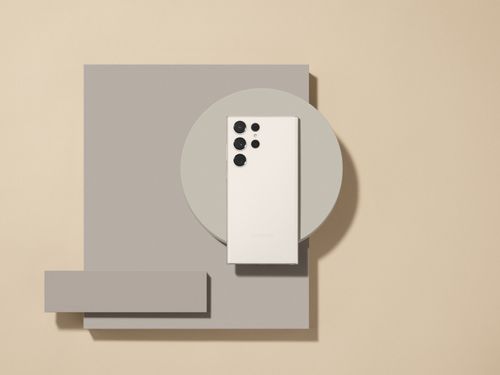
Samsung Galaxy S23 Ultra serves a 200-megapixel camera on a "recycled" design platter
Samsung's shiny new flagship foon comes in four colors, but it's the new Snapdragon 8 Gen 2 processor that really goes head-to-head with Apple's big bois.

Samsung reveals Galaxy S23, a small flagship with fresh looks and daddy-just-might-agree price
Samsung’s Unpacked event wasn’t all about phones with monstrous cameras and tear-jerking price tags. The company also gave us the...
Google's supervillain rules for Android bend the knee in India, and we're gonna reap the benefits
Google acts like a greedy, dollar-smelling witch with Android. In India, it finally got the reality check, and it is now making changes that will make you cry happy tears.

India cooks its very own mobile operating system that is still based on Android's skeleton
BharOS rejects Google services and the idea of pre-installed apps. You will be able to sideload properly vetted apps. No release information yet. No brand promises yet.

Apple thinks you need a 16-inch iPad with an OLED screen for watching kid stuff
Apple is dreaming of a 16-inch iPad Pro with a pixel-bleeding OLED screen. After all, size really does matter. For the professionals. For tablets, that is.
Google Search could be smothering your creativity
A Carnegie Mellon University study reveals starting your brainstorming process with Google can be detrimental to the group's creativity.
Teams relying much on search engines often produced inundatingly same, less original ideas due to a cognitive bias called "fixation effect," where seeing popular answers converges our thought process instead of diverging it.
While individuals weren't necessarily dumber with Google, groups of Google users seemed to get stuck in a rut, often coming up with the same common ideas, sometimes even in the same order! Talk about a copy-and-paste creativity crisis.
"This appears to be due to the fact that Google users came up with the same common answers, often in the same order, as they relied on Google, while non-Google users came up with more distinct answers," explained lead author Danny Oppenheimer.
EDITORS' PICKS